 (Image via
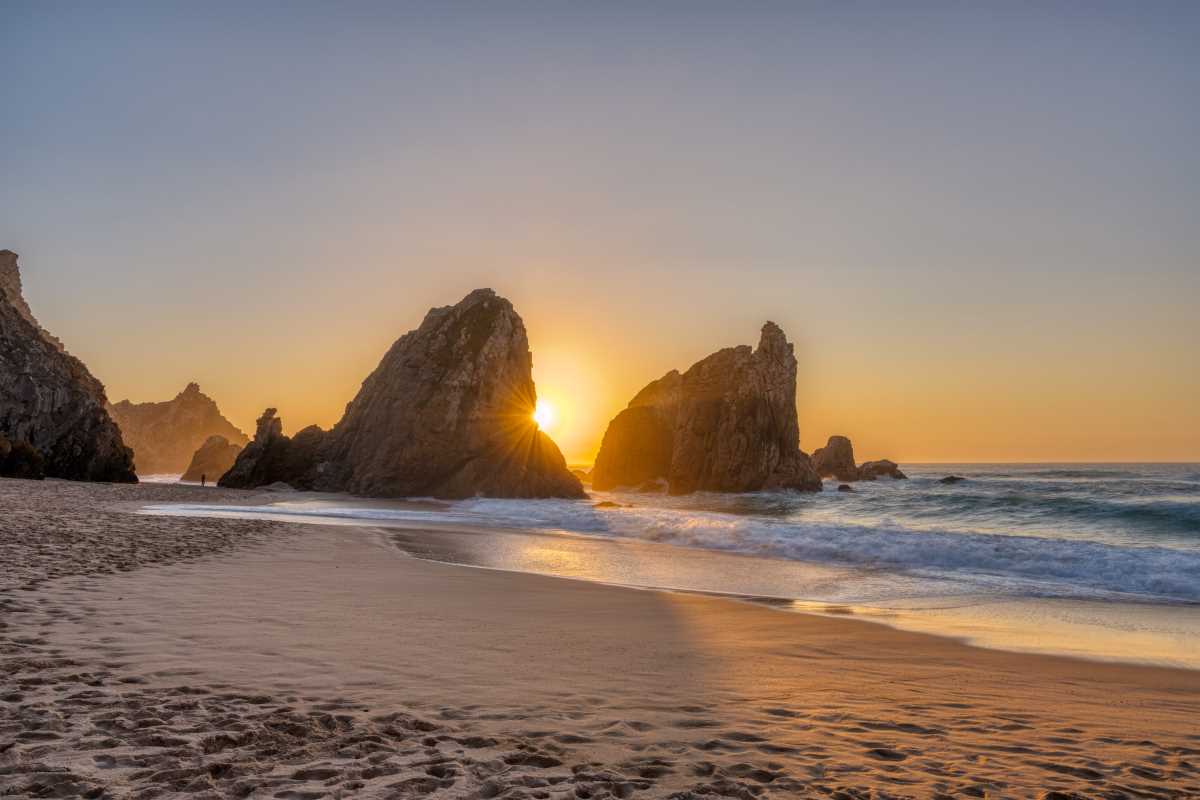
Social media has a wild ability to turn quiet, hidden gems into global hotspots overnight. A single viral video on TikTok or a stunning photo on Instagram can send thousands of travelers rushing to a small village or a secluded beach that used to see only a handful of visitors a year. We call this the "viral effect," and it creates a fascinating, sometimes chaotic, puzzle for the people who live and work there. Managing this sudden influx isn't just about building more hotels. It's about understanding "crowd-flow dynamics." This is the science of how people move through a space, where they stop, where they get stuck, and how their movement affects the vibe and safety of a destination. Let’s dive into what happens when a place goes from zero to hero and how experts try to keep the flow moving.
The Shock of Sudden Popularity
Local infrastructure usually develops slowly over decades. A small town builds sidewalks and roads based on the number of people who live there, plus maybe a few regular tourists. Then boom. Internet fame hits. Suddenly, that narrow cobblestone street designed for donkey carts is trying to handle three tour buses and five hundred pedestrians at once.
This instant surge creates "bottlenecks." Think of a bottleneck like pouring a big jug of water through a tiny funnel. The water backs up and spills over. In a city, this happens at specific choke points like narrow bridges, ticket counters, or the perfect "selfie spot." People stop moving to take photos or check maps, and the crowd behind them swells. This compression can lead to frustration, safety hazards, and a bad experience for everyone involved. Planners have to react fast to identify these pressure points before they become dangerous.
The Science of Pedestrian Movement
Crowds behave a lot like fluid. They follow the path of least resistance, speed up in open spaces, and slow down when the path narrows. Experts study this "fluidity" to predict where problems will arise. They use cameras, sensors, and even cell phone data to map out heat maps of human activity.
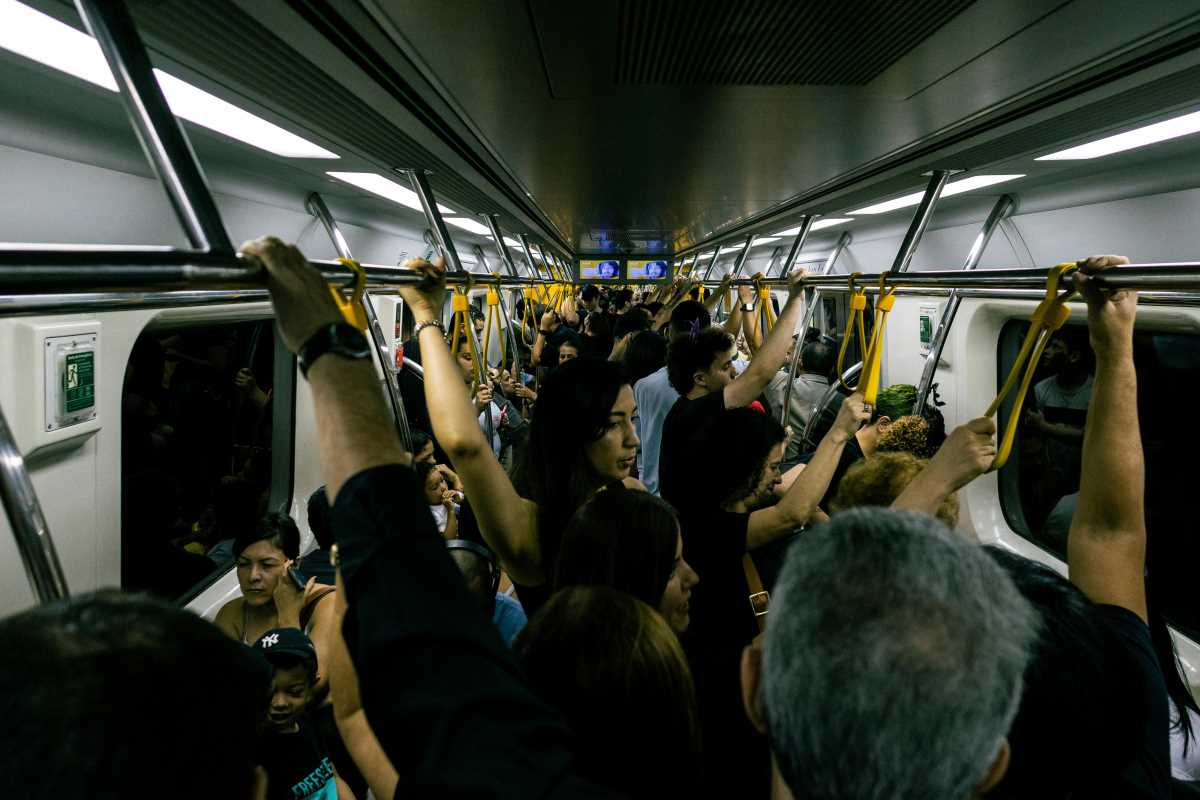
One key concept is "density." This measures how many people are in a specific square meter of space. Low density is fine. Everyone has personal space and can walk at their own pace. High density forces people to slow down, shuffle, and eventually stop altogether. When density gets too high, the crowd stops acting like individuals and starts acting like a single mass. If someone trips in a super-dense crowd, it can cause a ripple effect, leading to a crush. Newly popular destinations often lack the wide avenues needed to keep density at safe levels, forcing planners to get creative with how they direct traffic.
The "Selfie Spot" Phenomenon
Modern tourism has a unique feature that old-school crowd management never had to deal with: the photo stop. In the past, people might pause to look at a view, but today, everyone wants to get the exact same picture from the exact same angle to post online. This creates static clusters in the middle of moving streams of people.
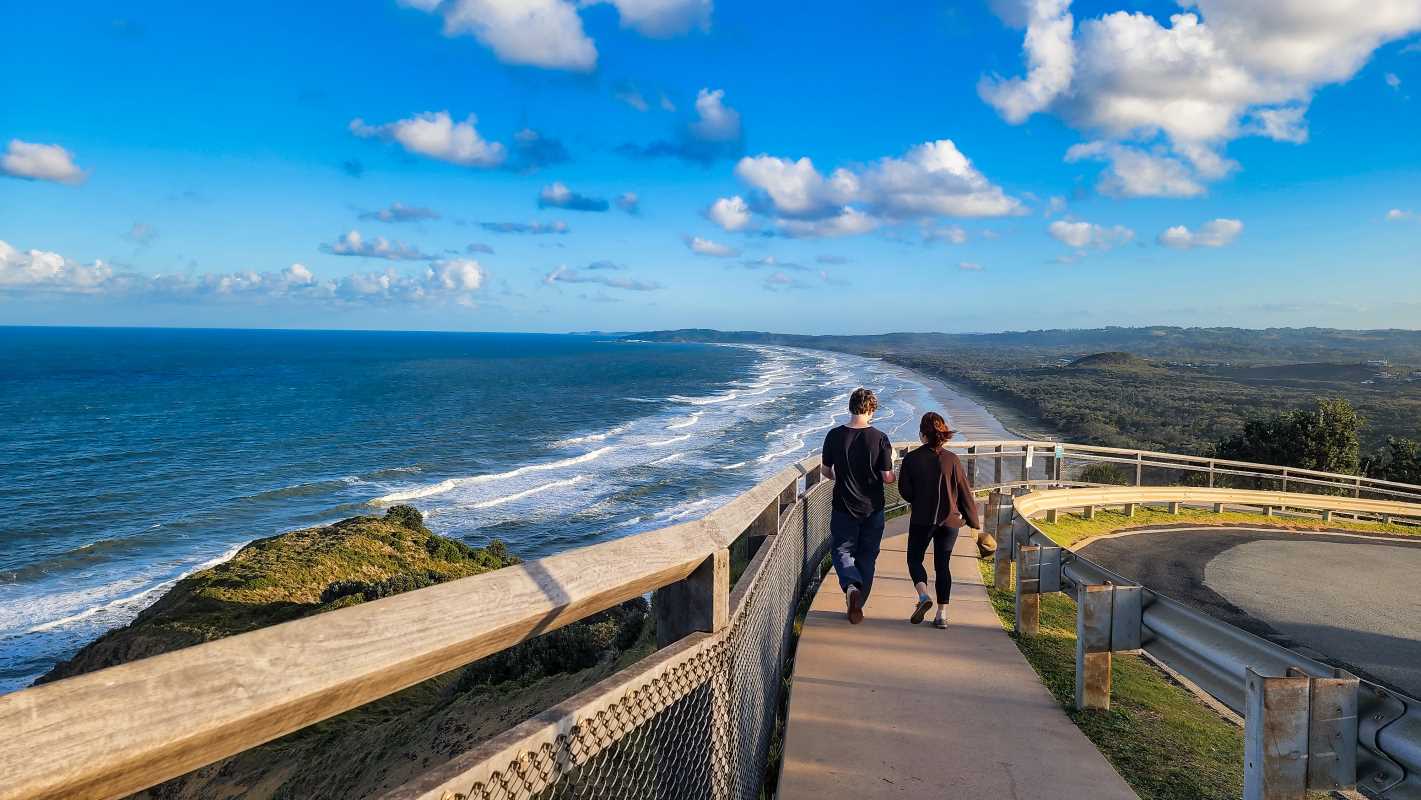
These static clusters are disruptive. Imagine a flowing river with a big rock dropped in the middle. The water has to rush around it, creating turbulence. In a narrow alleyway or on a cliffside trail, a group of people stopping for photos acts like that rock. It forces everyone else to squeeze by, slowing down the entire flow. Destinations are now experimenting with designated "photo zones" pulled off to the side of the main path. By giving people a specific place to stop that doesn't block the walkway, they can keep the main "river" of people moving smoothly.
One-Way Systems and Loop Trails
Fixing flow often means taking away choices. In a free-for-all environment, people walk in every direction, crossing paths and colliding. This friction slows everyone down. A simple but effective solution is implementing one-way systems.
You might have seen this in museums or at theme parks, but now entire towns are using it. By forcing everyone to walk in a single direction—say, clockwise around a historic square or up one street and down another—planners eliminate head-on collisions. This increases the capacity of the street significantly. It's the same logic as a roundabout for cars. Loop trails work similarly for natural attractions like waterfalls or canyons. Instead of hikers bumping into each other on an out-and-back trail, they enter at one point and exit at another. It keeps the movement continuous and reduces the feeling of overcrowding, even if there are a lot of people there.
Time-Based Flow Management
Space is limited, but time is flexible. Another major strategy involves spreading crowds out over the course of the day. Most tourists tend to follow the same schedule: breakfast at 9, sightseeing at 10, lunch at 1. This creates massive peaks in crowd density during mid-day and leaves the destination empty in the early morning or evening.
Timed entry tickets are the gold standard for fixing this. By selling a specific number of slots for each hour, managers can flatten the curve of attendance. This ensures that the destination never exceeds its safe capacity. It also guarantees a better experience for visitors because they aren't fighting through a crush of people. Some places are even using dynamic pricing—charging less for early morning or late afternoon slots—to encourage people to visit during off-peak times. This "temporal dispersion" helps balance the load on local infrastructure.
The Role of Signage and "Nudges"
Sometimes you don't need a barrier to move a crowd. Uou just need a sign. Wayfinding is the art of using visual cues to guide people effortlessly through a space. In newly popular spots, tourists are often confused. They don't know where the exit is or where the bathroom is, so they stop to look around.
Clear, simple signage keeps people moving. But modern crowd management goes beyond arrows. It uses psychological "nudges." For example, lighting can influence movement. People naturally move toward brighter areas. By illuminating exit paths more brightly than dead ends, planners can subconsciously guide crowds toward the way out. Painting lines on the ground or using different pavement textures can also subtly suggest lanes of travel, separating fast walkers from those who want to meander, reducing friction between the two groups.
Technology's Helping Hand
Smart tech is revolutionizing how we handle surprise tourist booms. Real-time monitoring allows authorities to react instantly to developing situations. If a camera detects that a specific street is getting too crowded, an app can alert users to avoid that area or digital street signs can change to direct traffic to a different route.
Some destinations use "gamification" to disperse crowds. They might create an app-based scavenger hunt that encourages visitors to explore lesser-known corners of the city. This pulls people away from the main, overcrowded attractions and spreads the economic benefit to other neighborhoods. It’s a win-win: the tourists discover hidden gems they would have missed, and the main hotspots get a breather from the intense pressure.
Balancing Local Life with Visitor Needs
The biggest challenge in crowd dynamics isn't mathematical. It's social. People actually live in these "viral" destinations. They need to get to work, buy groceries, and pick up their kids from school without wading through a sea of tourists.
Successful crowd management has to prioritize residents. This might mean creating "residents only" lanes or zones where tourists aren't allowed during certain hours. It involves listening to the local community to understand their pain points. Maybe the morning commute is the biggest issue, or maybe it's the noise level at night. Adjusting the flow to protect the quality of life for locals is crucial for sustainable tourism. If the residents turn against the visitors, the welcoming atmosphere that made the place popular in the first place disappears.